
By Paul Ferro, CEO, Form4 Architecture
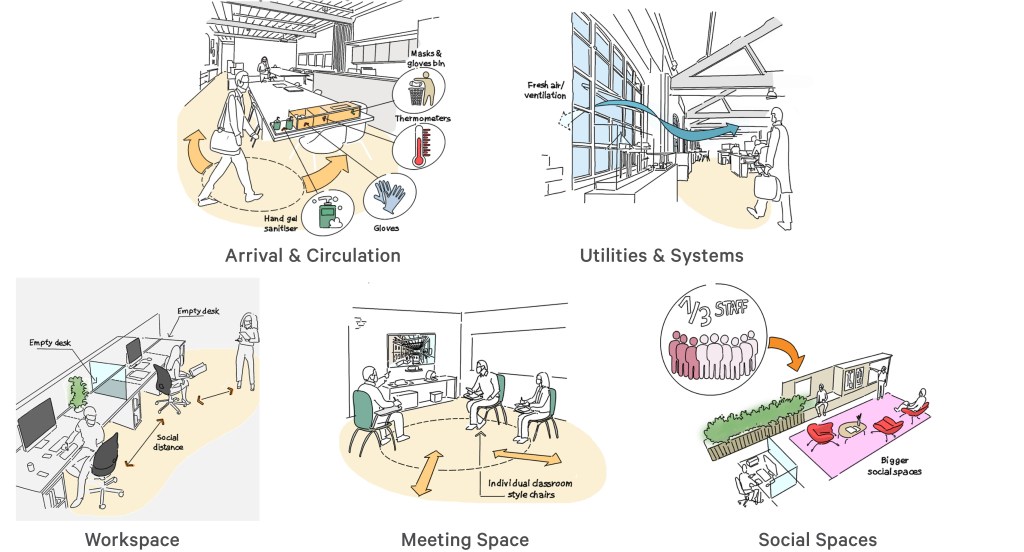
This year there has been a great deal of press interest in design solutions that address health concerns raised by COVID-19. Form4 Architecture worked on a design guide for workplaces that explores how our clients in and around the Silicon Valley can future-proof their offices from the effects of pandemics.
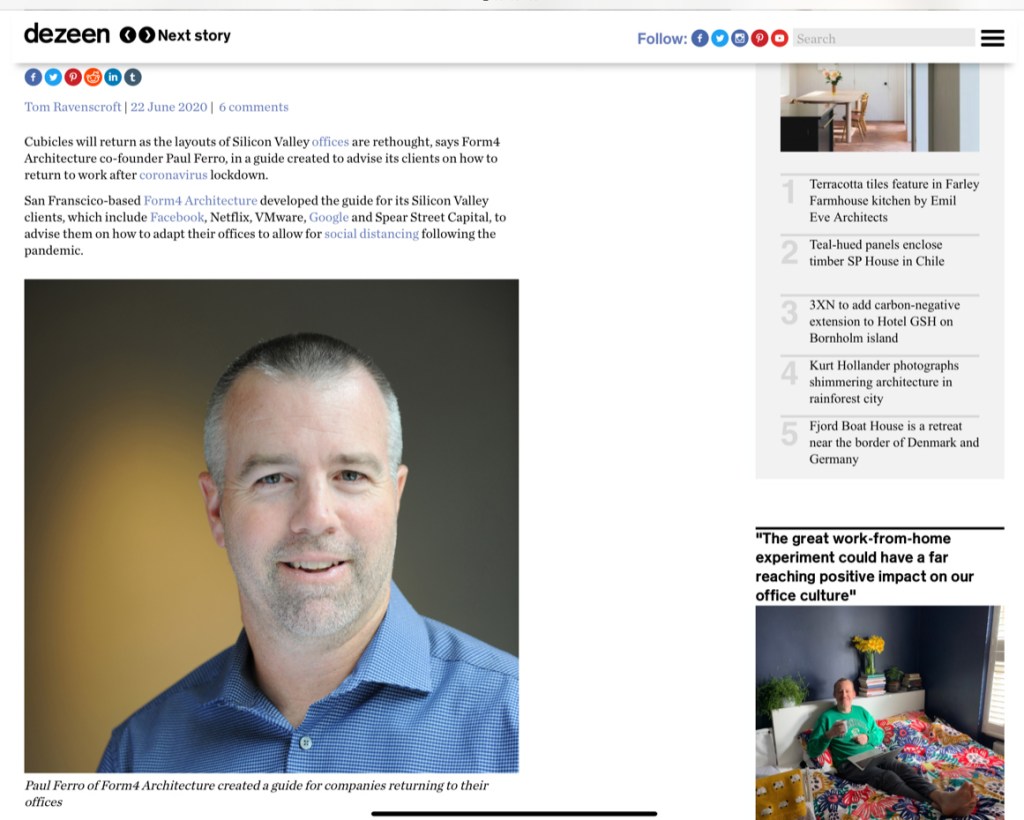
The world’s leading on-line architecture magazine Dezeen took interest in our approach. They published an article describing how many of the recent spatial practices for making the workplace increasingly social were at odds with new measures required to maintain safe distances between staff.
At the same time, we know that homeworking will increase even after the pandemic is behind us, so we anticipate that the way offices are used will change. At home, focused work can be highly productive, but perhaps focus spaces at the office can tap into our need for social settings and people watching and take cues from coffee shops that are sought by laptop users who prefer access to food, background music, and the buzz of nearby people. The Shelter-In-Place COVID Experiment has perhaps laid the groundwork for the new workplace where focus work can occur at home and in more lively communal environments at the office.
But more is needed than focused work. The Big Idea sought by tech companies eventually comes from trading ideas until they solidify into a coherent innovation. There is need for regular learning both in training rooms and from incidental exposure to what others are producing. The exchange and creation of ideas is best served by in person interaction and the energy and motivation that come from being with others. There is an intangible power in body language, a gesture, a pat on the back, which are all missing through the screen. Offices will need to refocus as spaces and places for getting together when face-to-face encounters really matter. Certain types of meetings and briefings will require this as well, for example, the training of staff, especially when getting to know new recruits.
Employers will no doubt think carefully about focused events facilitating cohesion and camaraderie amongst both those who work mostly from home and those who are more office based. This will see a demand for interiors conducive to large gatherings of people coming together and perhaps celebratory spaces as well.
Interest in semi-external spaces is also likely to grow especially as these have the advantage of abundant fresh air and natural light. In closing the office at a scale and timeframe unheard of, COVID allowed us to look at the alternative to being in the office forty or more hours a week. Now our workdays can occur anywhere. Many have temporarily moved, and some permanently, to other cities and states. We can more easily break up our days with personal activities. We can walk out the front door and enjoy a midday hike. Taking our laptops to the porch, we can benefit from fresh air and sunlight. With the outdoors being the healthiest choice for interaction, eating and socializing outside was the first step in getting us back together. Perhaps the natural world can be a greater part of our post-COVID workdays.
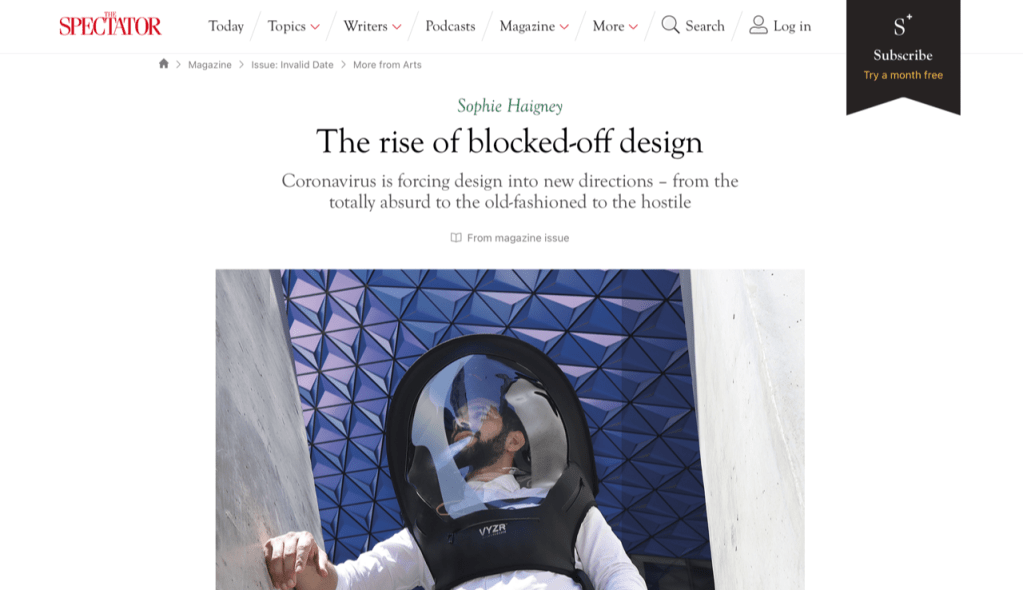
Britain’s leading weekly current affairs journal, The Spectator, was intrigued by the theme of the COVID-era workplace and interviewed us about the need for partitions and the return of the cubicle office for their article “The Rise of The Blocked-Off Design”. It made us think that some of these issues have been in the air well before COVID shut down the office. Open plan offices have long compromised people’s ability to concentrate due to increased proximity and noise, and some have even found them isolating with growing numbers of people resorting to headphones to avoid unwanted interruption.
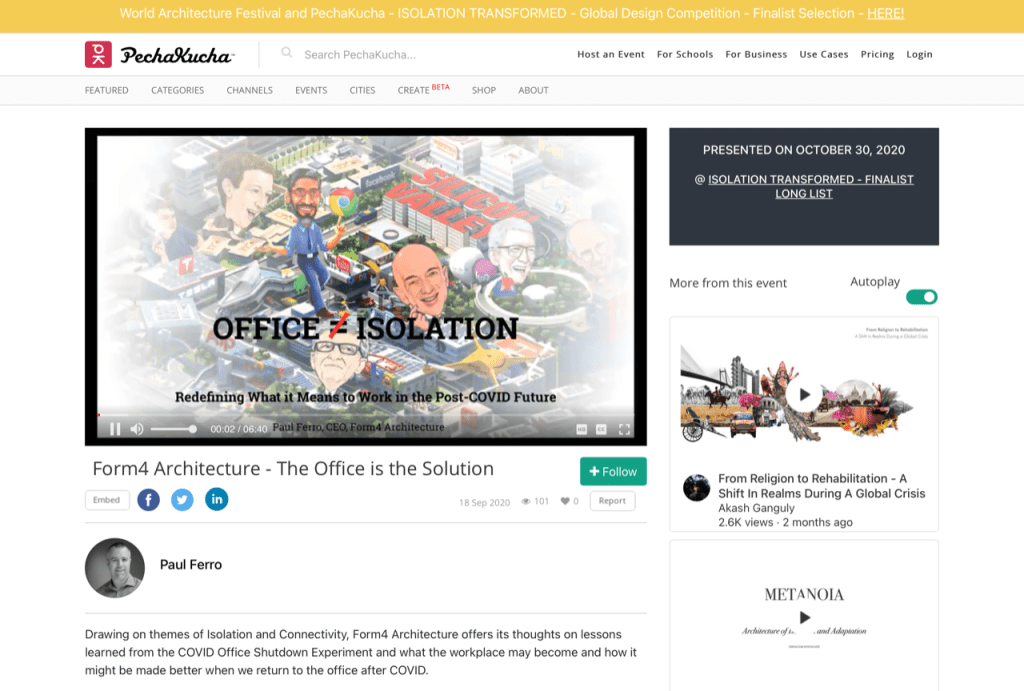
This fall, we addressed these issues as part of our submission for the World Architecture Festival competition “Isolation Transformed”. The competition is based around a Pecha Kucha format and challenges entrants to think how architects can tackle the problem of loneliness.
We thought of how people missed seeing their colleagues, access to the broader company, and the social aspects of the office, but also enjoyed the lack of commuting and the extra time at home and with their families. And yet, for many people working from home has been hugely disruptive due to a lack of appropriate space, furniture and equipment or young children needing attention.
With all these new experiences informing our understanding of what this overnight shift in the ways we work, we saw that the office is, in fact, the very vehicle that combats isolation. The future office will need to support a new type of coming together of colleagues and in ways that are memorable and make the most of moments employees spend together.
For more on this topical subject, watch our 6-minute Pecha Kucha presentation.
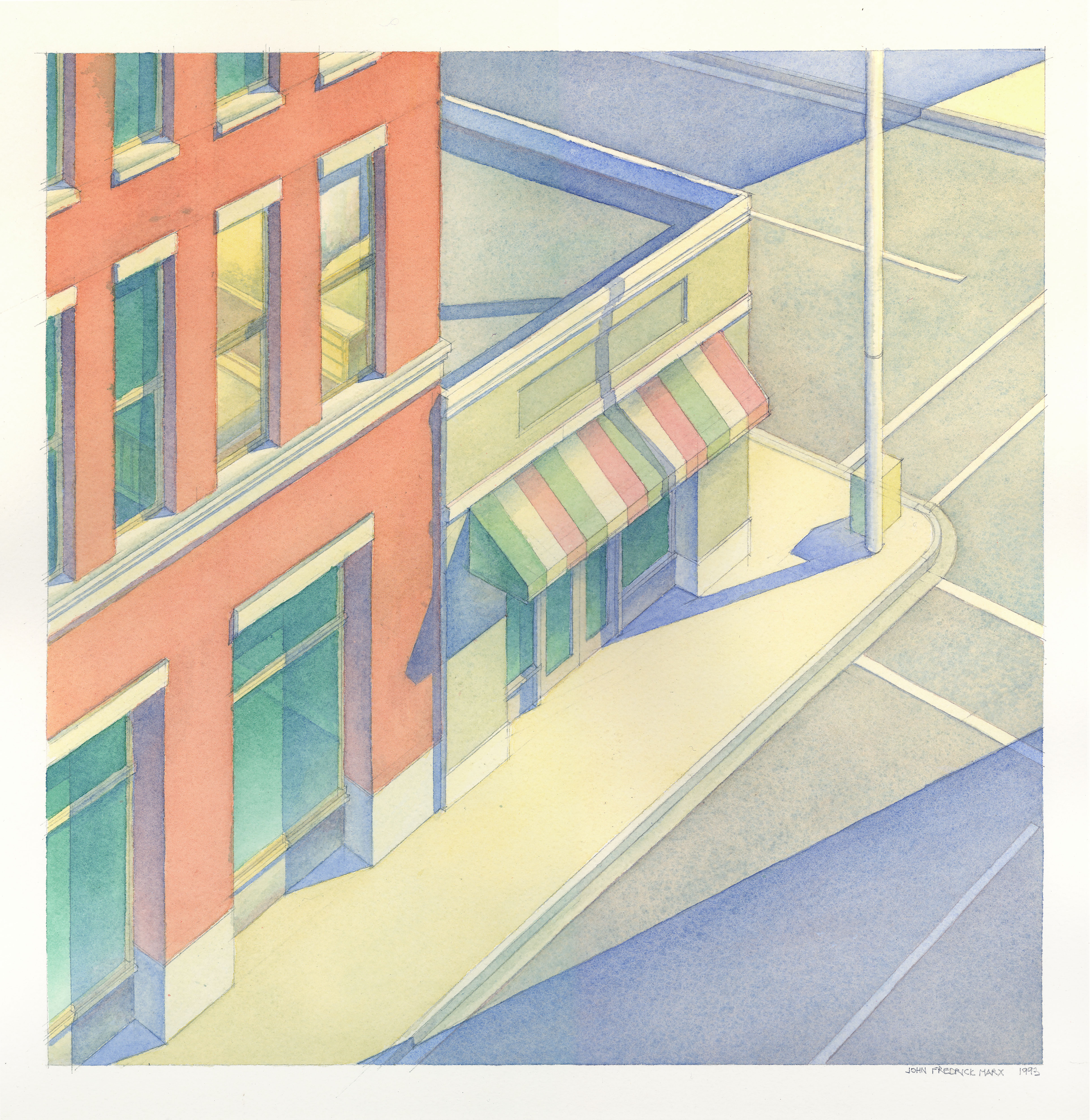
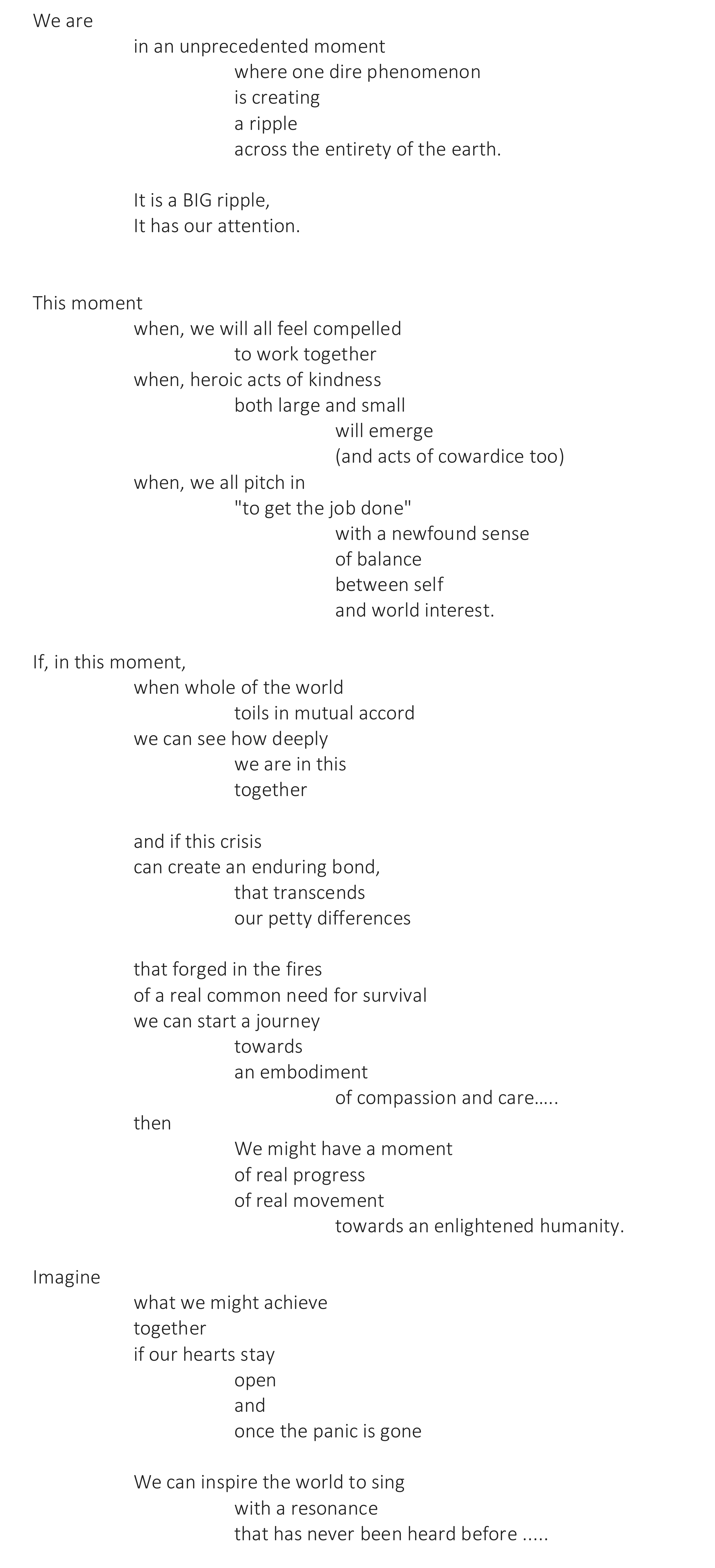
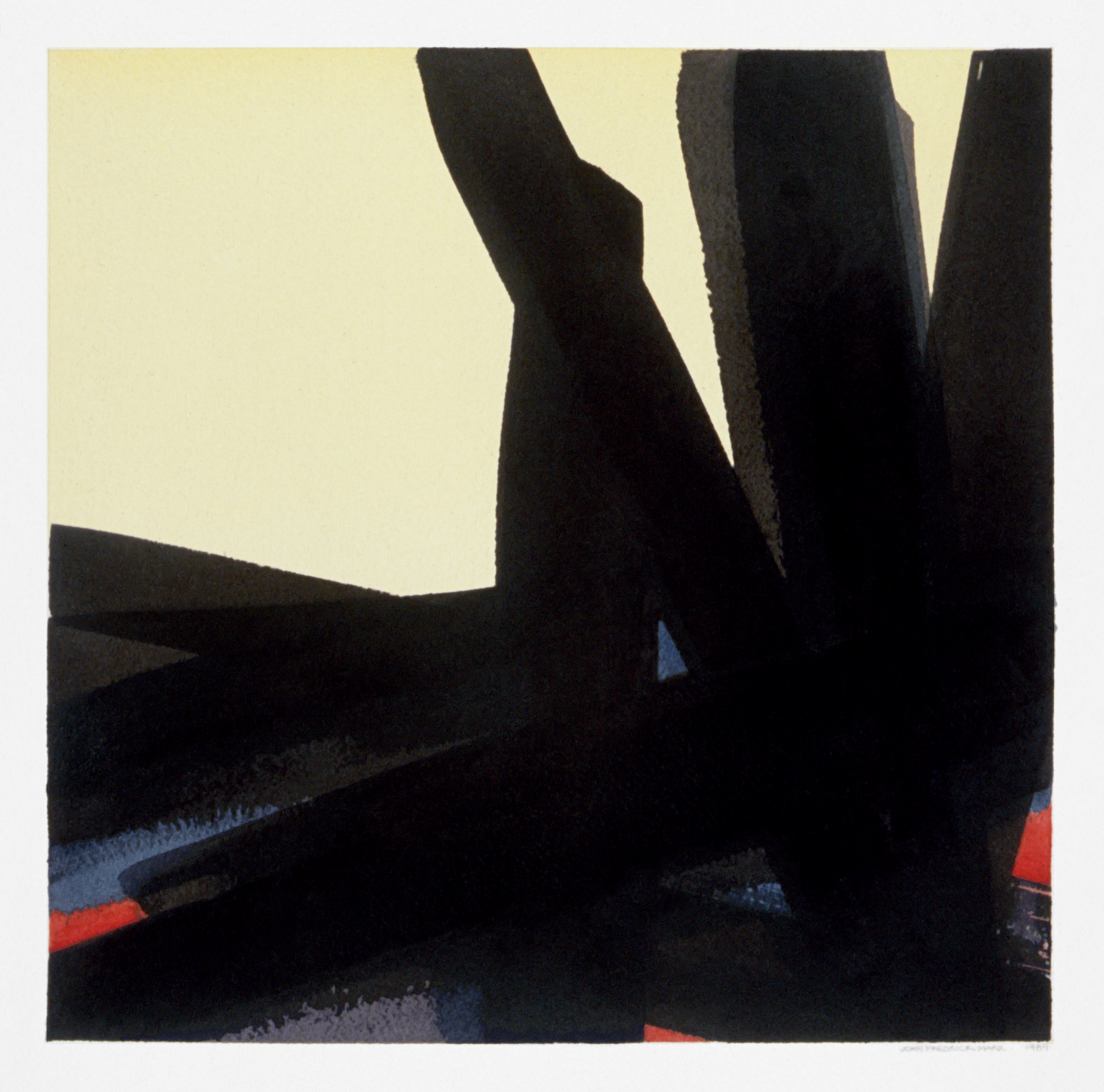
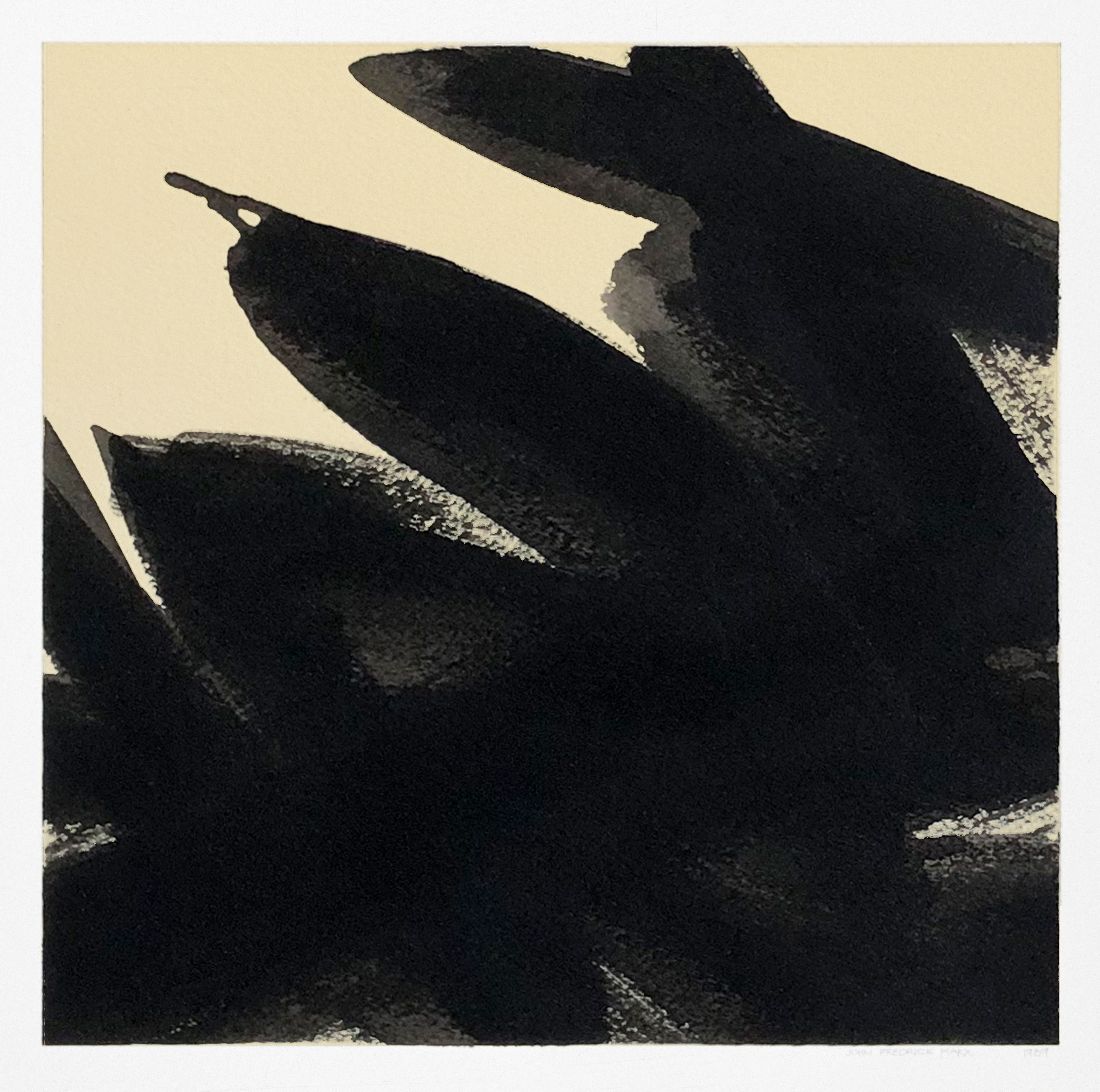
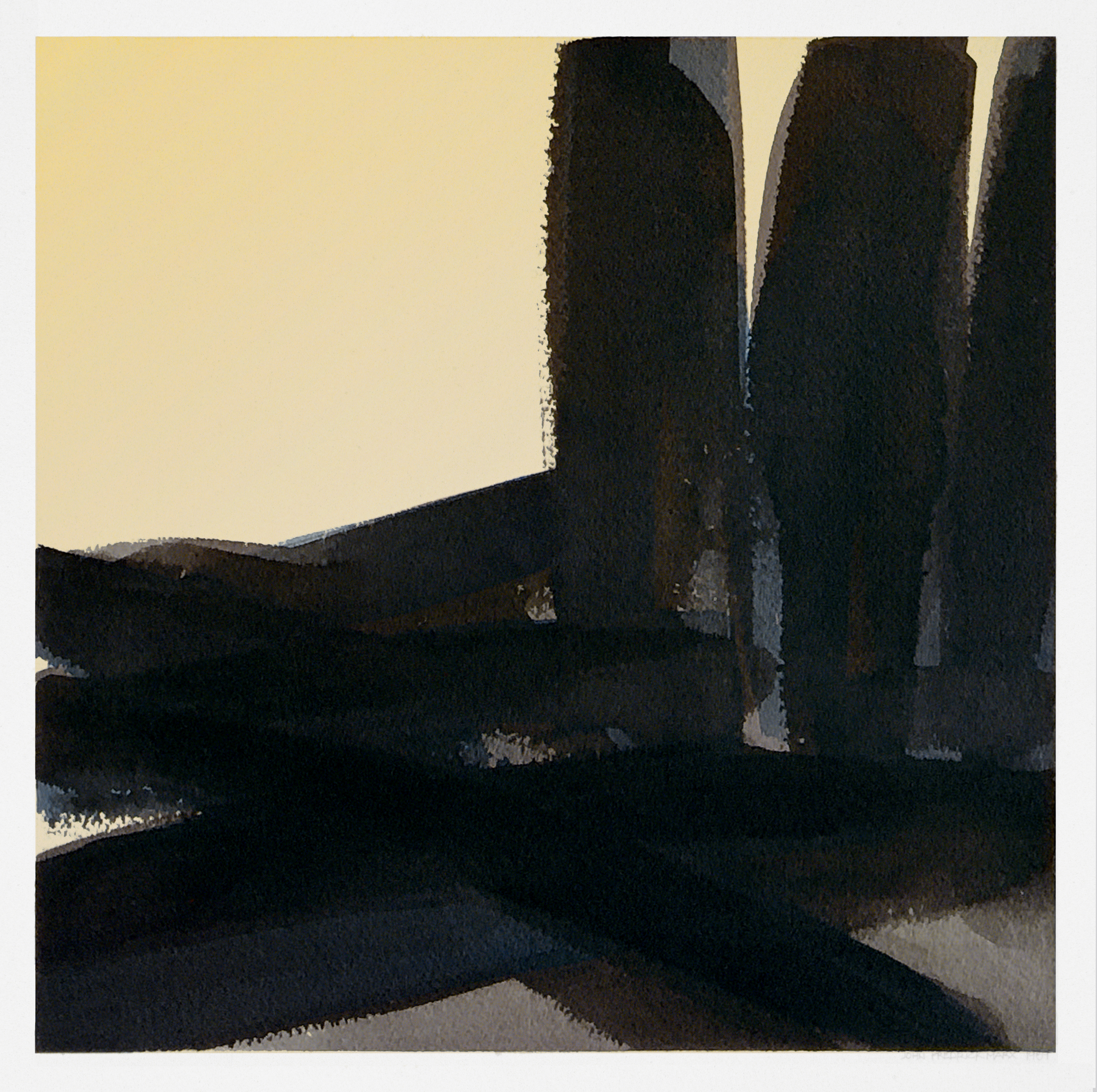
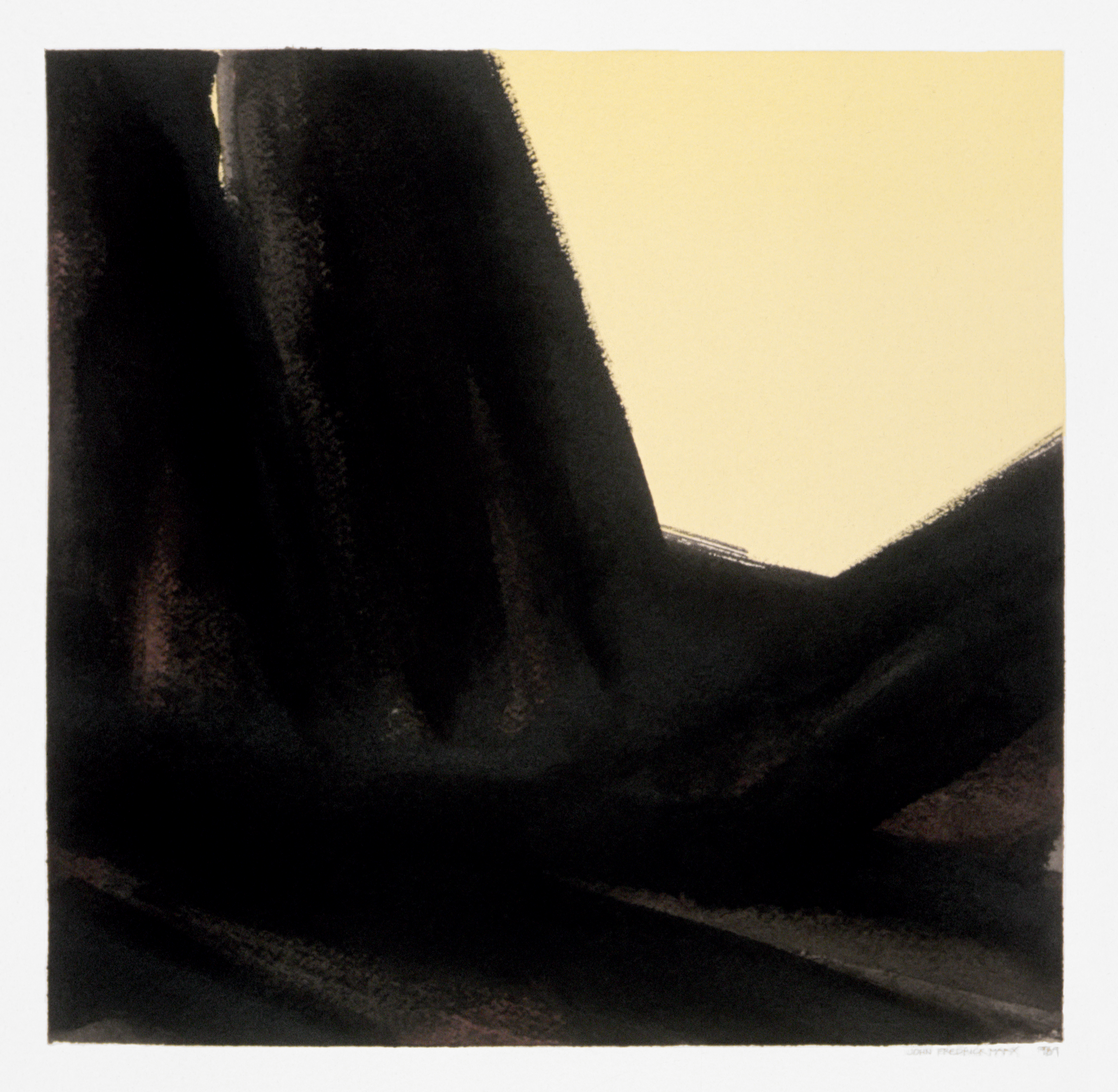
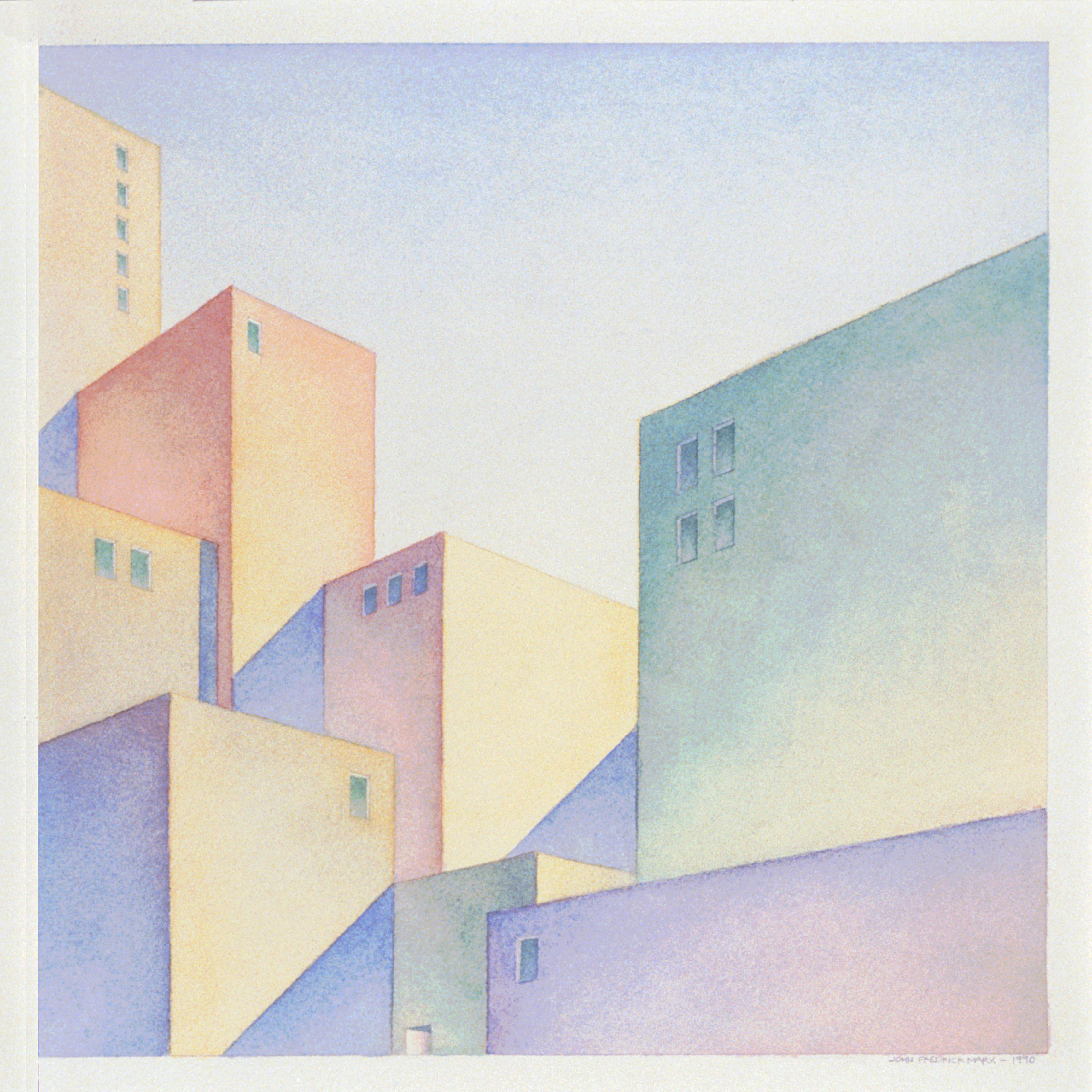
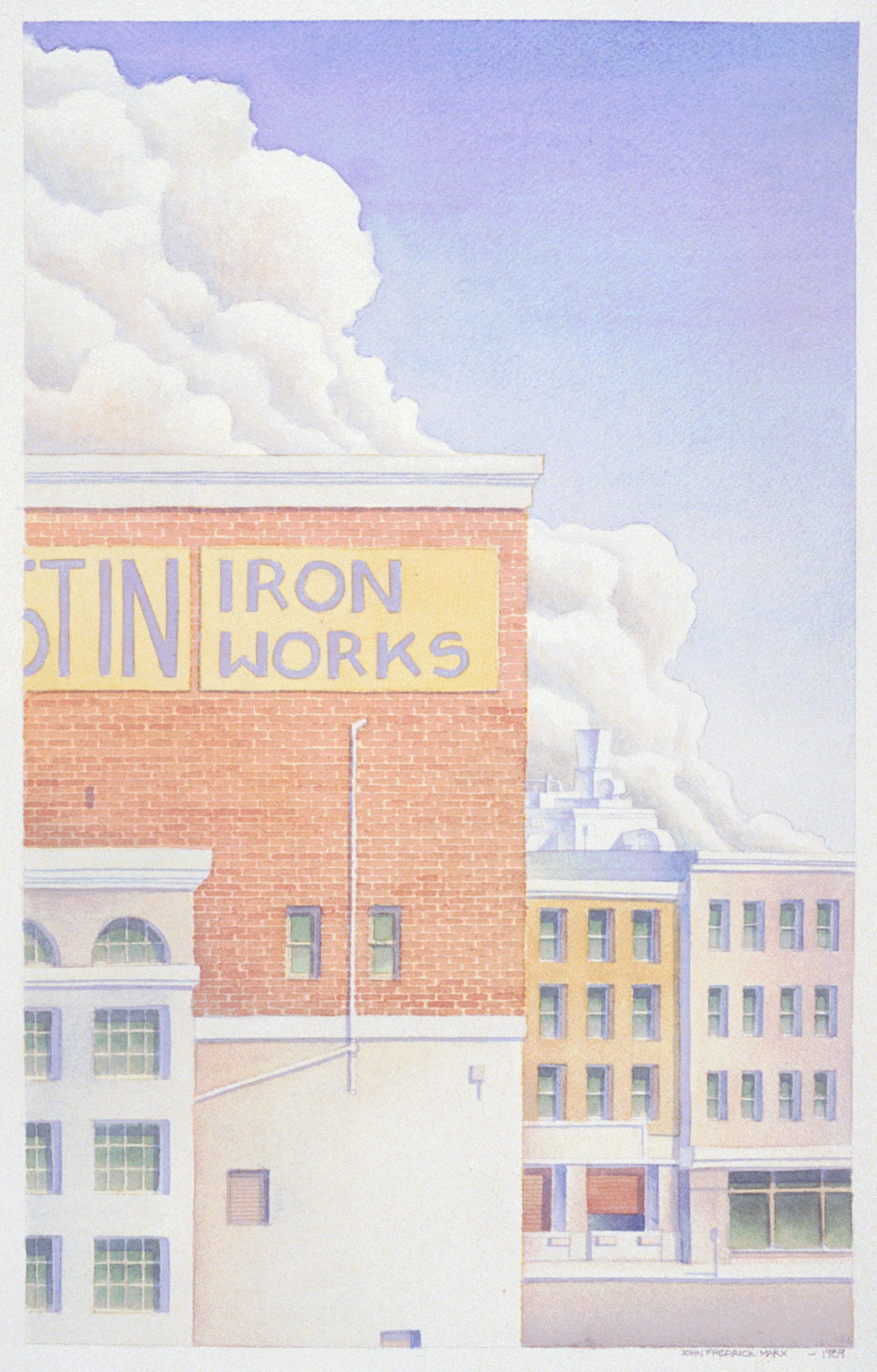
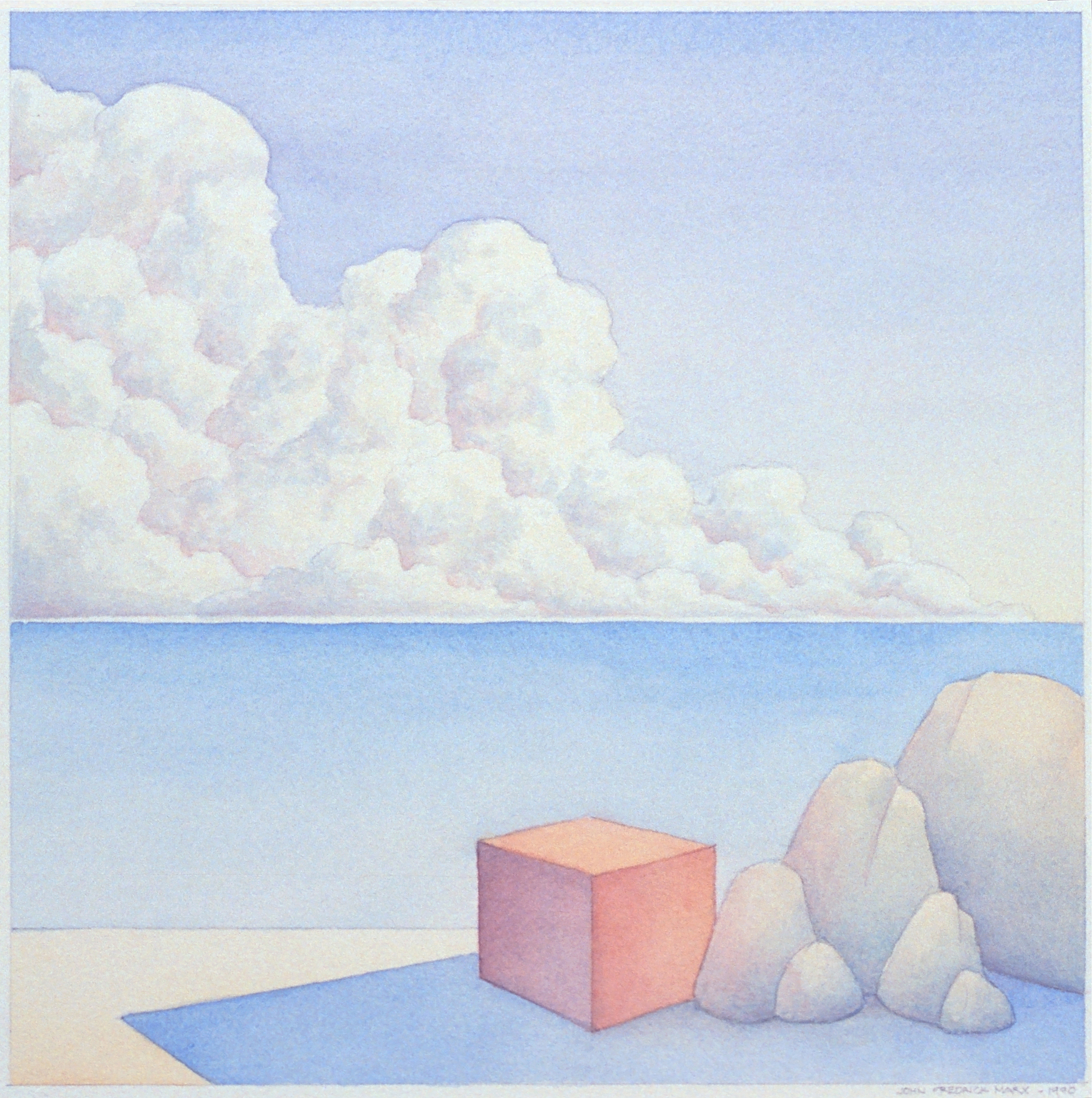
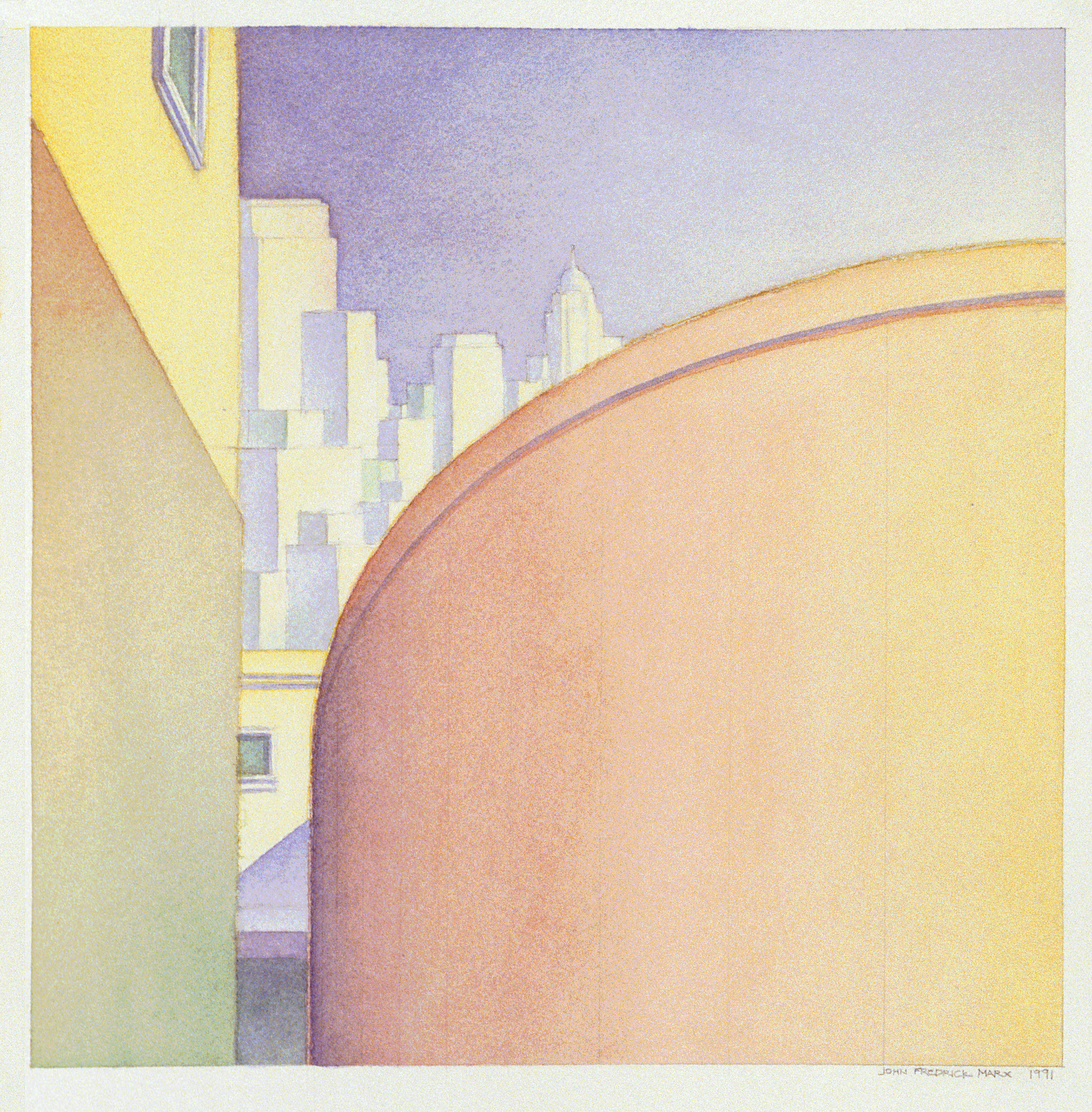
 Interestingly, John has explored lyricism in a broad way through not only architectural discourse but also through both his art and poetry which have informed his understanding of how architecture should connect with people. Oro Editions’ recent book of John Marx’s paintings and poems,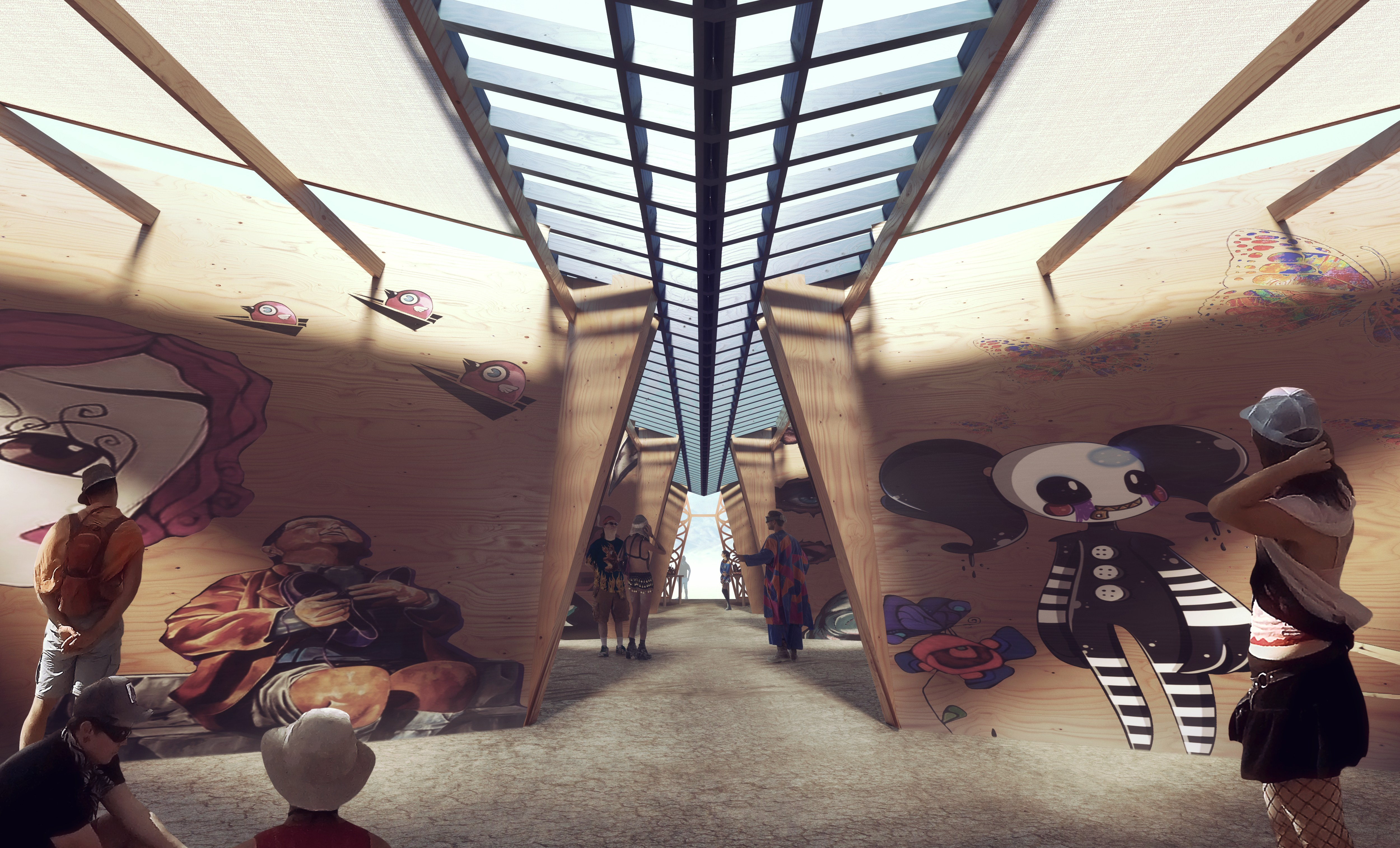
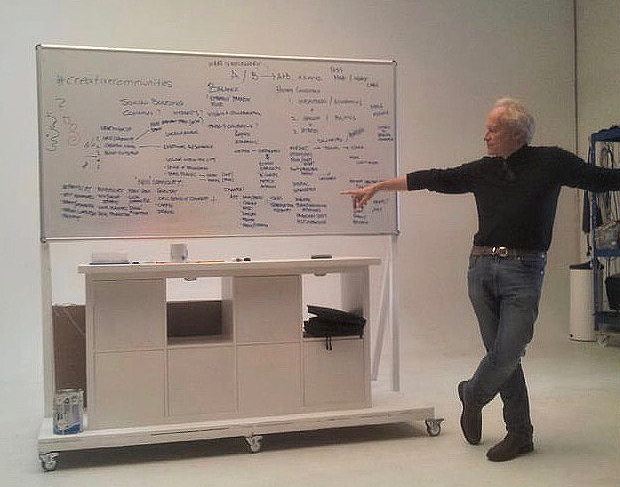
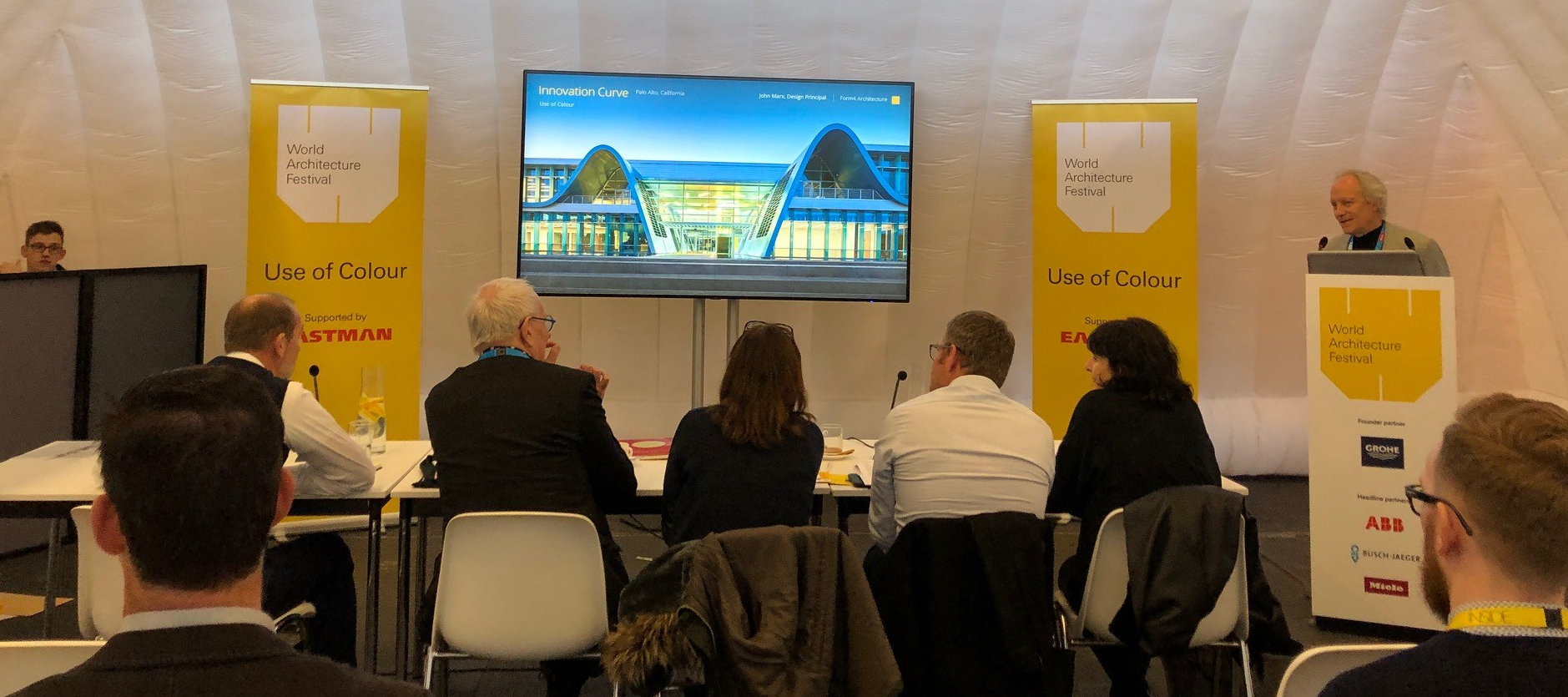
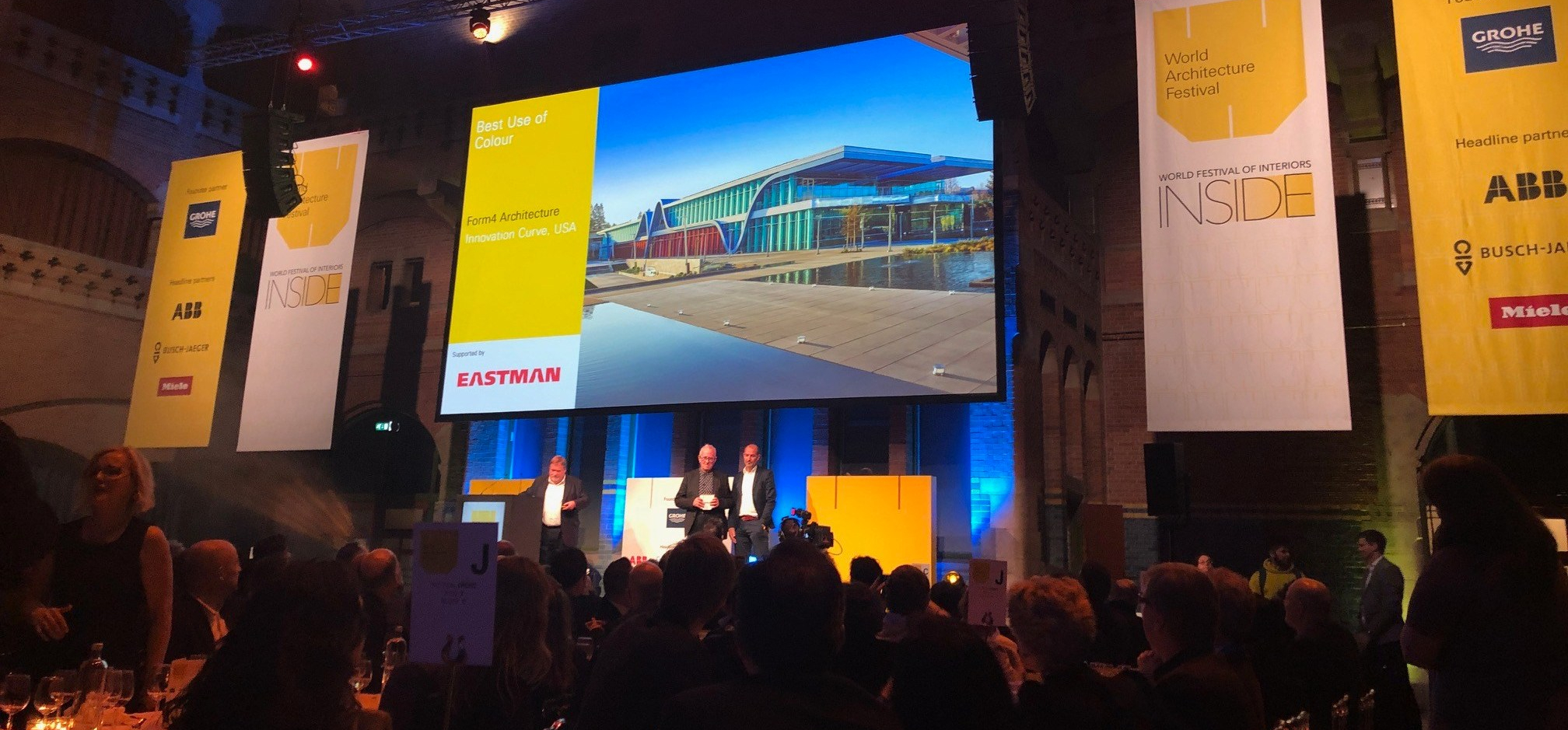
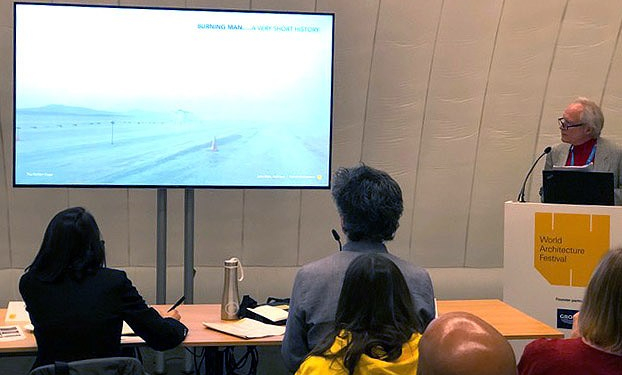 Recollections from World Architecture Festival (WAF) in Amsterdam (4-6 December 2019) and Freiburg’s “Creative Communities” workshop (28 – 29 November 2019)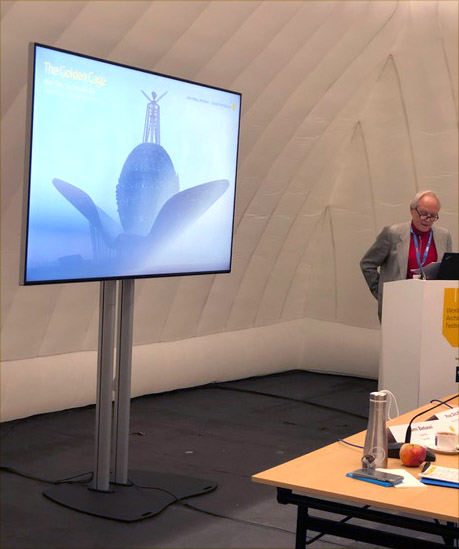
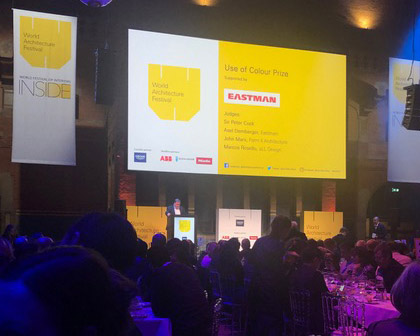
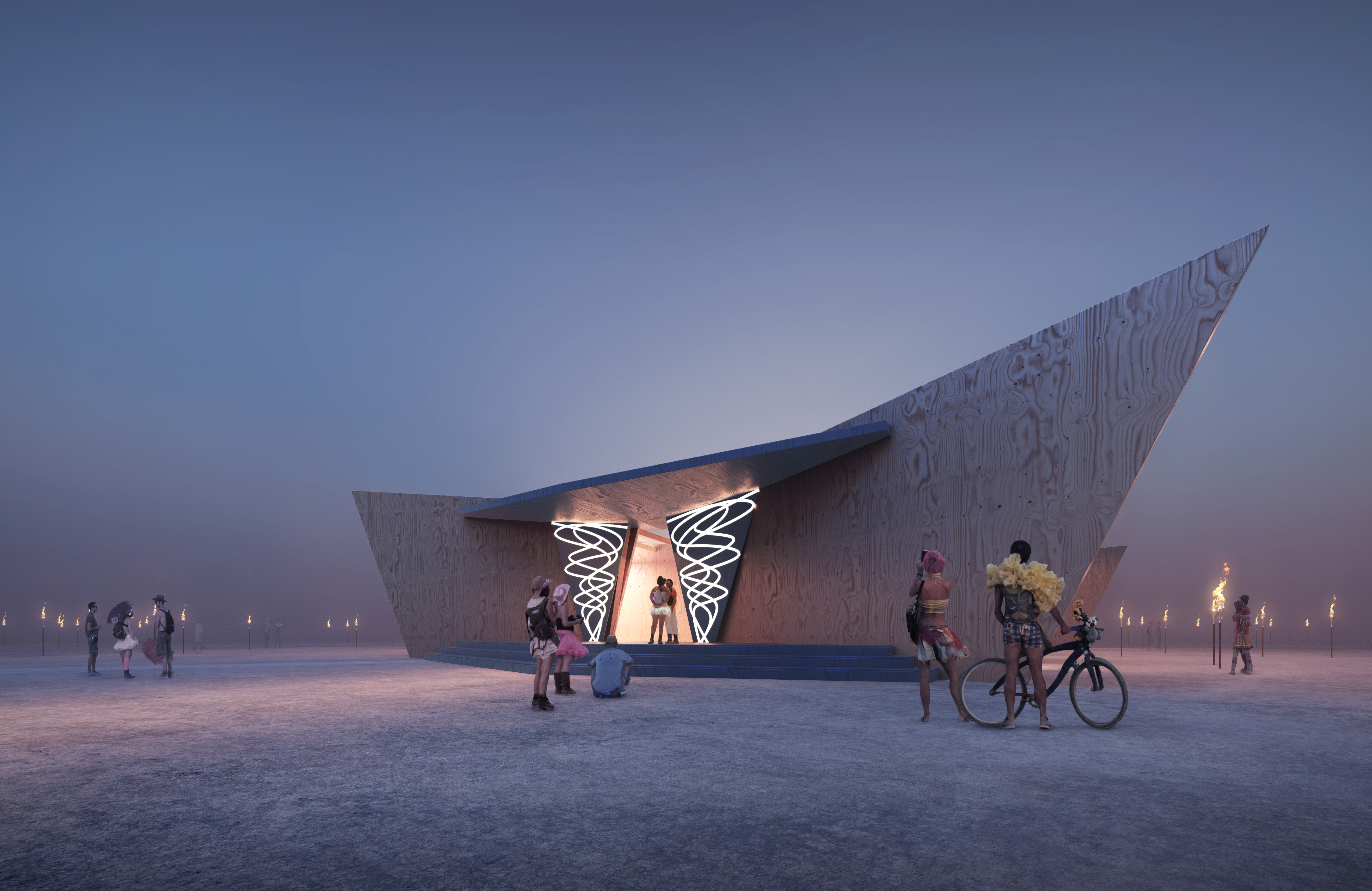
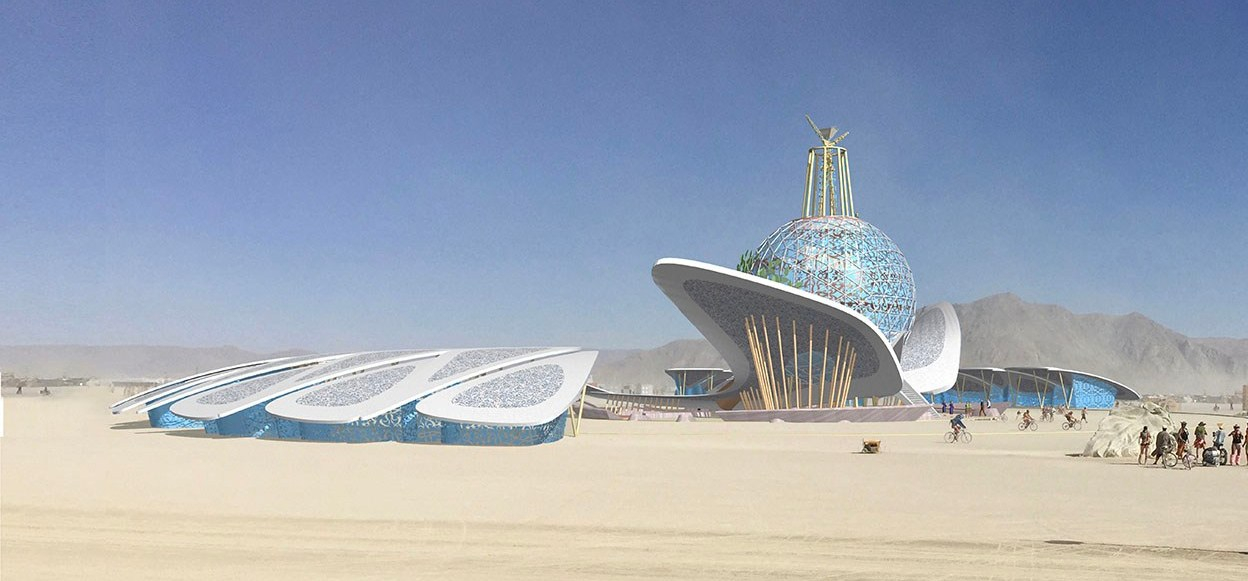
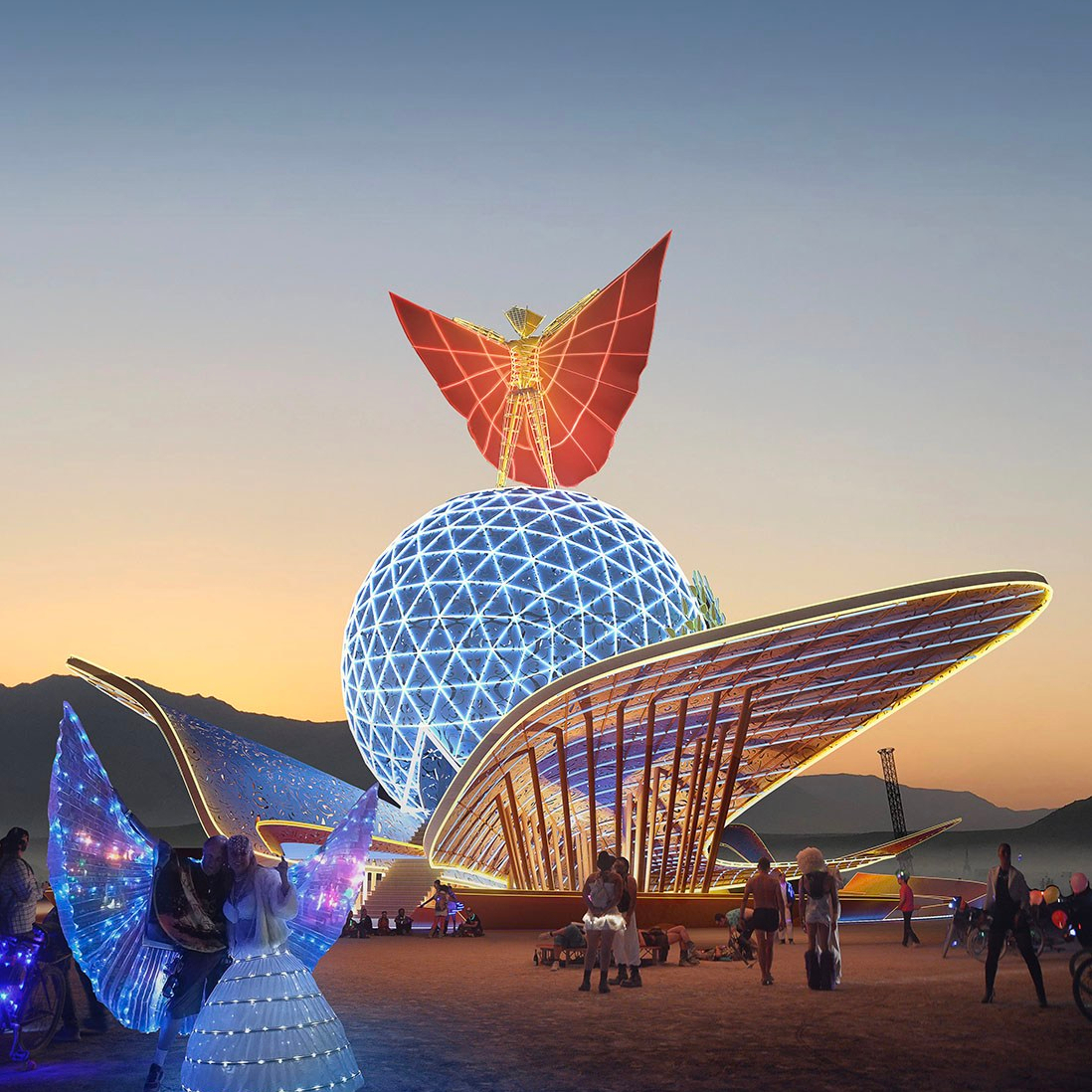
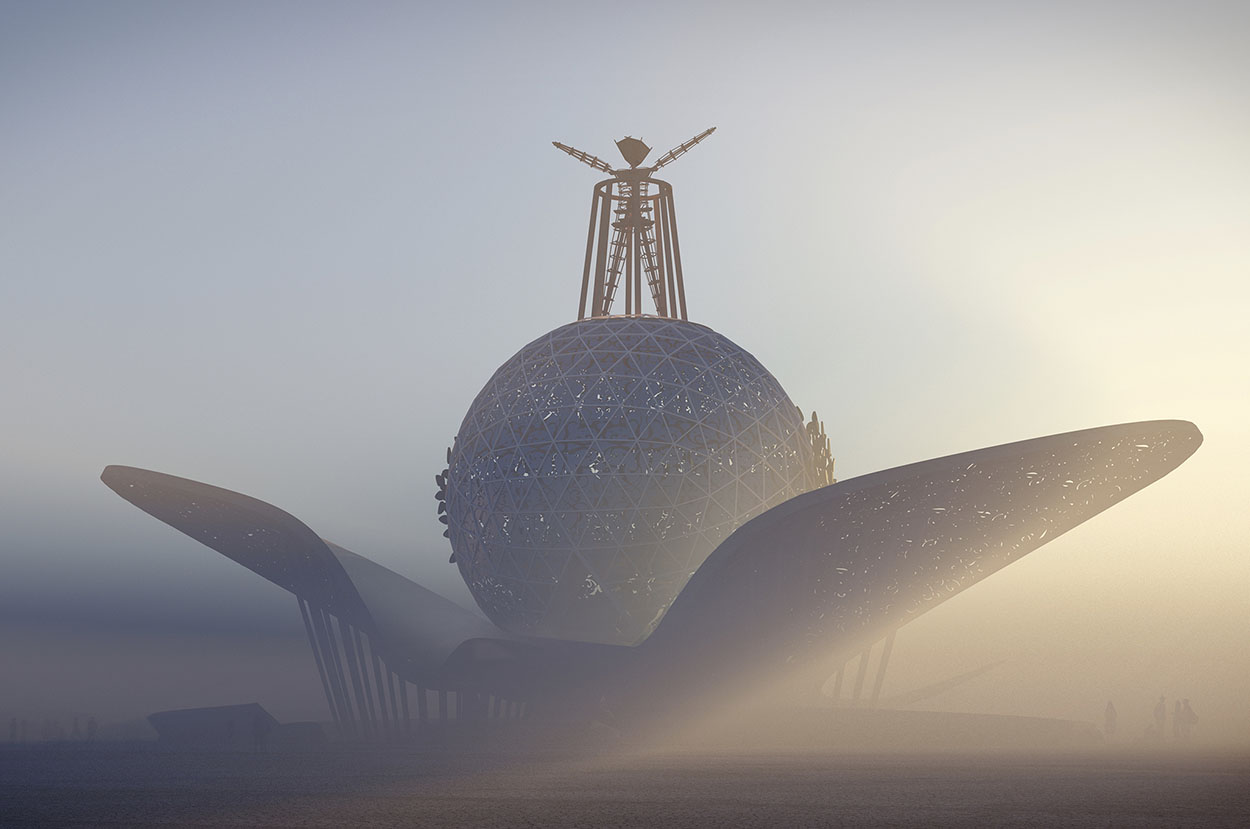 Next month, we’re presenting Golden Cage at the World Architecture Festival in Amsterdam. We designed the pavilion-like sculptural structure for
 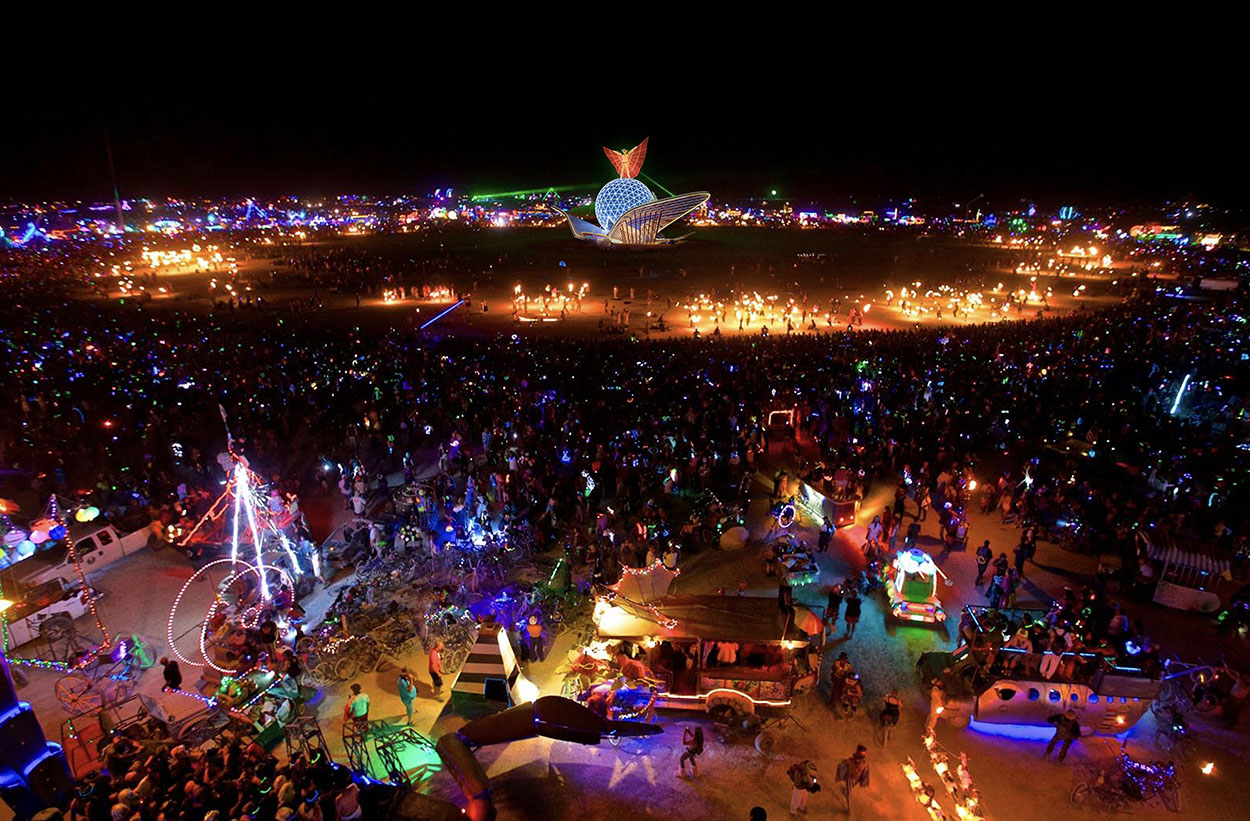 Burning Man has grown to such an extent over the years that it can be described as a city. Caveat Magister’s book title suggests this clearly: The Scene That Became Cities. A book that suggests that Burning Man addresses something essential that is missing in our lives, something that brings us together, makes us feel compassionate and thus human; and allows us to discover a sense of awe and purpose free of conventional notions of usefulness and success. A way of being that is less about rules and more about shared principles or values. This sort of thinking is at the heart of making a strong and thriving community and it is something architects and designers should be more attuned to – particularly in how they conceive a sense of place.
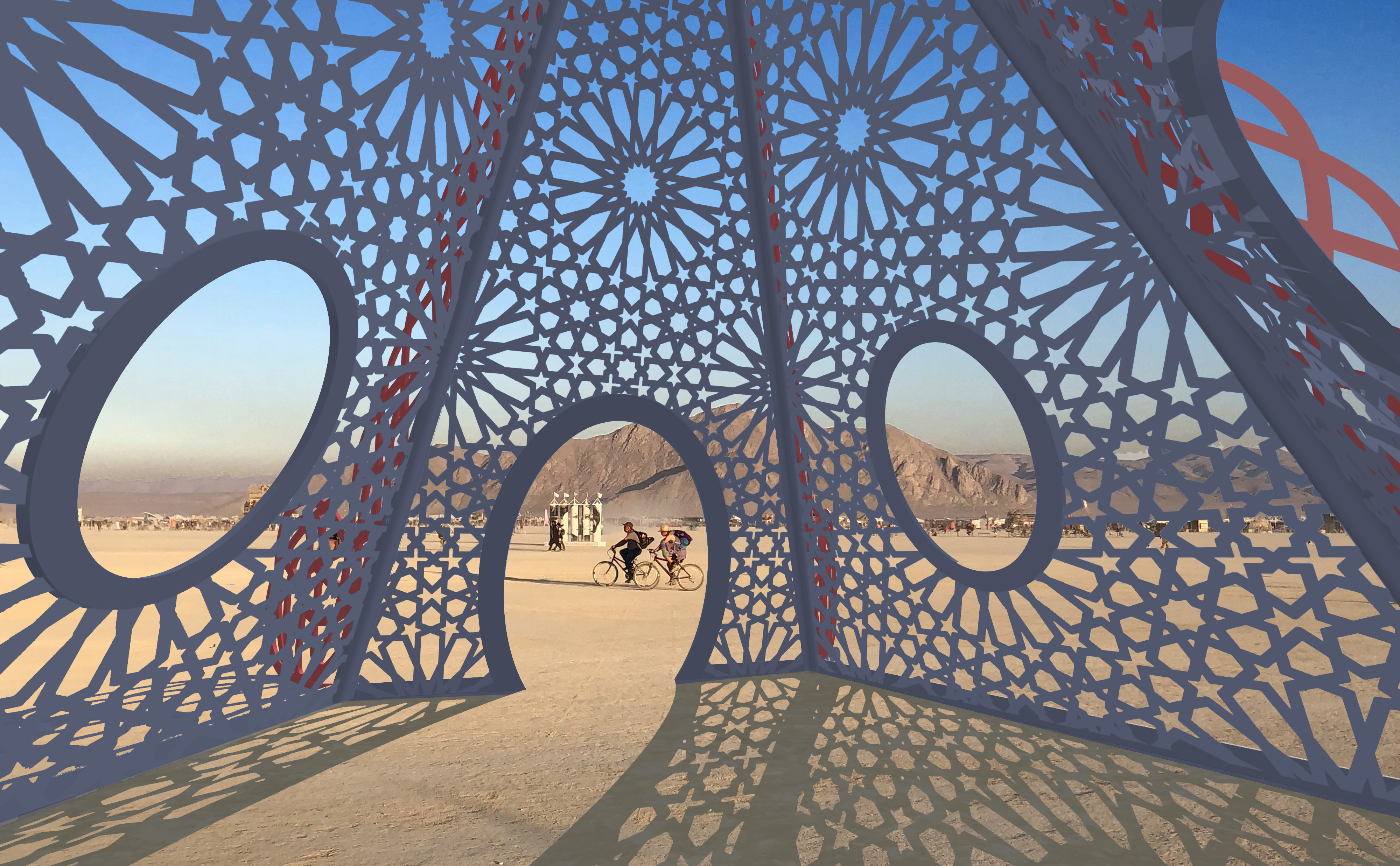
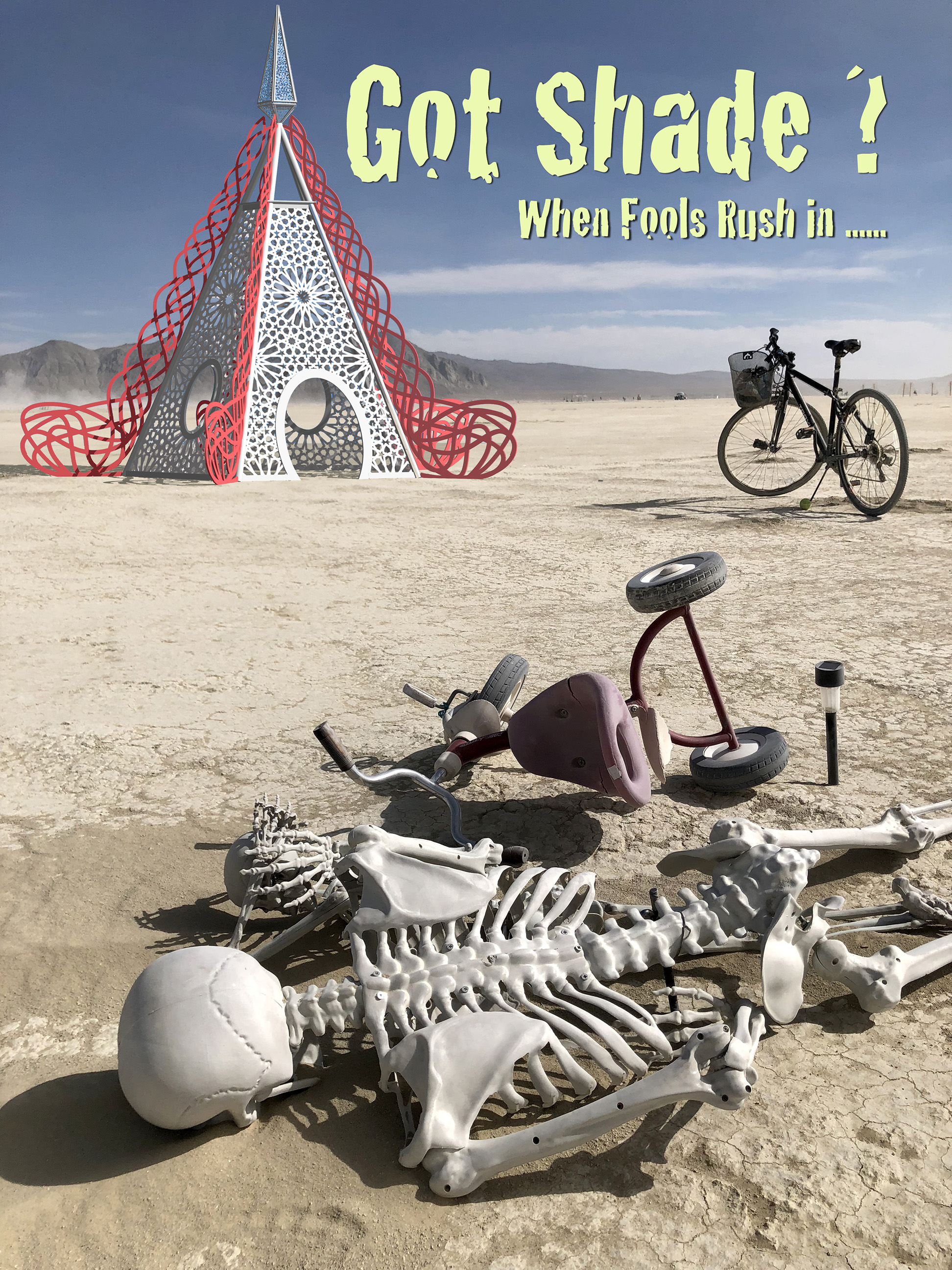
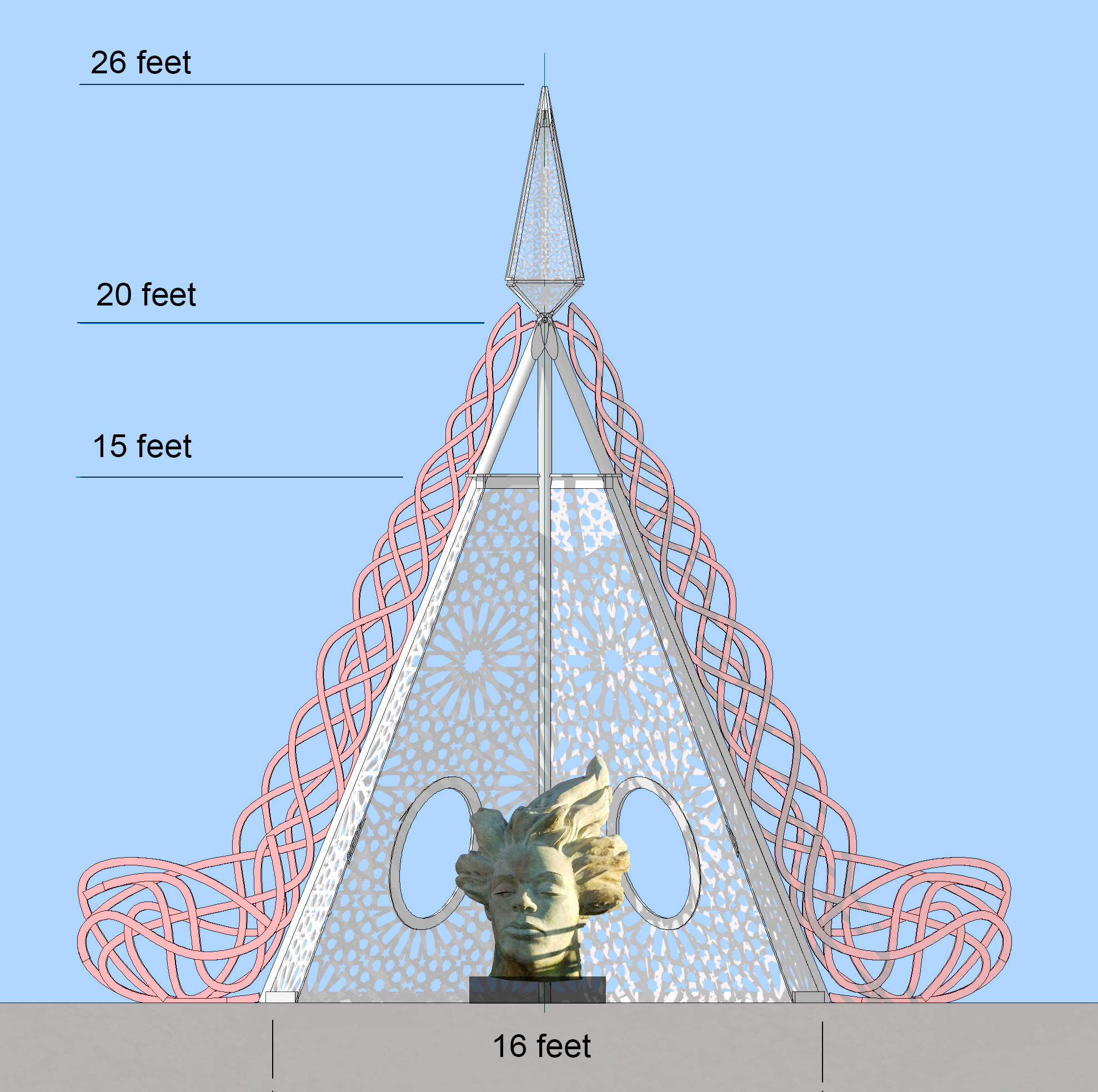 This year I was asked to join an art team as Lead Artist. The vision began with Team Leader Brian Poindexter, who was inspired by the Burning Man 2019 Theme Metamorphoses, to start an Art Project exploring the myth of Andromeda and the expansive nature of the night sky. We decided to challenge the classical myth of Andromeda, wherein a young woman is chained to a rock, left to be devoured by a sea monster that was sent by the Gods to punish her mother for the arrogance of proclaiming her daughter’s beauty. This led ultimately to the project name; Andromeda Reimagined. Within this new narrative, Andromeda saves herself, with the help of her community. The “rock and chains” have been morphed into a story of her inner journey to find strength and purpose in a world of chaos and absurdity. In the spirit of interactivity, we are asking people to write the names and stories of their female heroes on the inside walls of the structure. Following several reiterations, the final art piece takes the form of a 26 foot-tall, five-sided pyramid.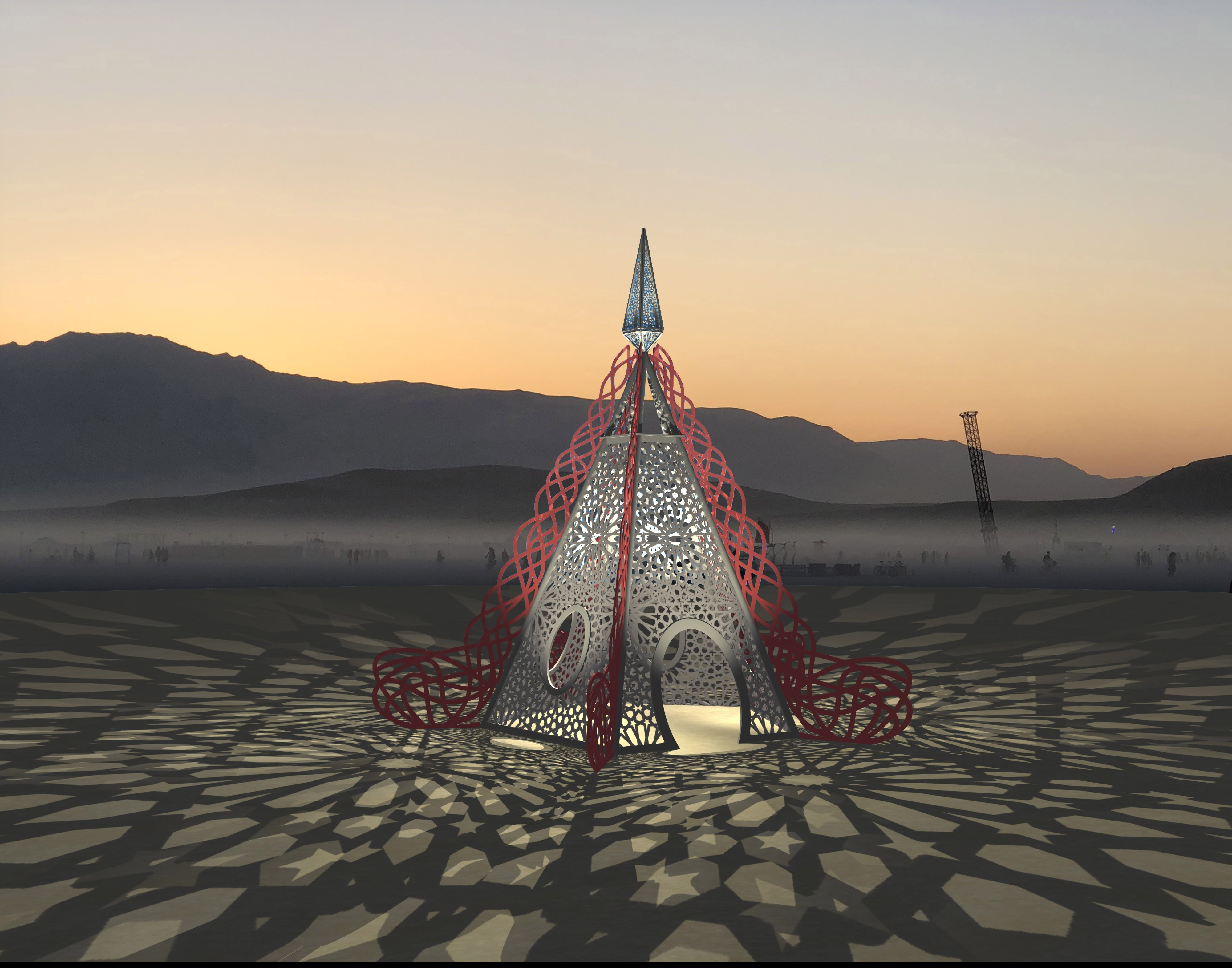
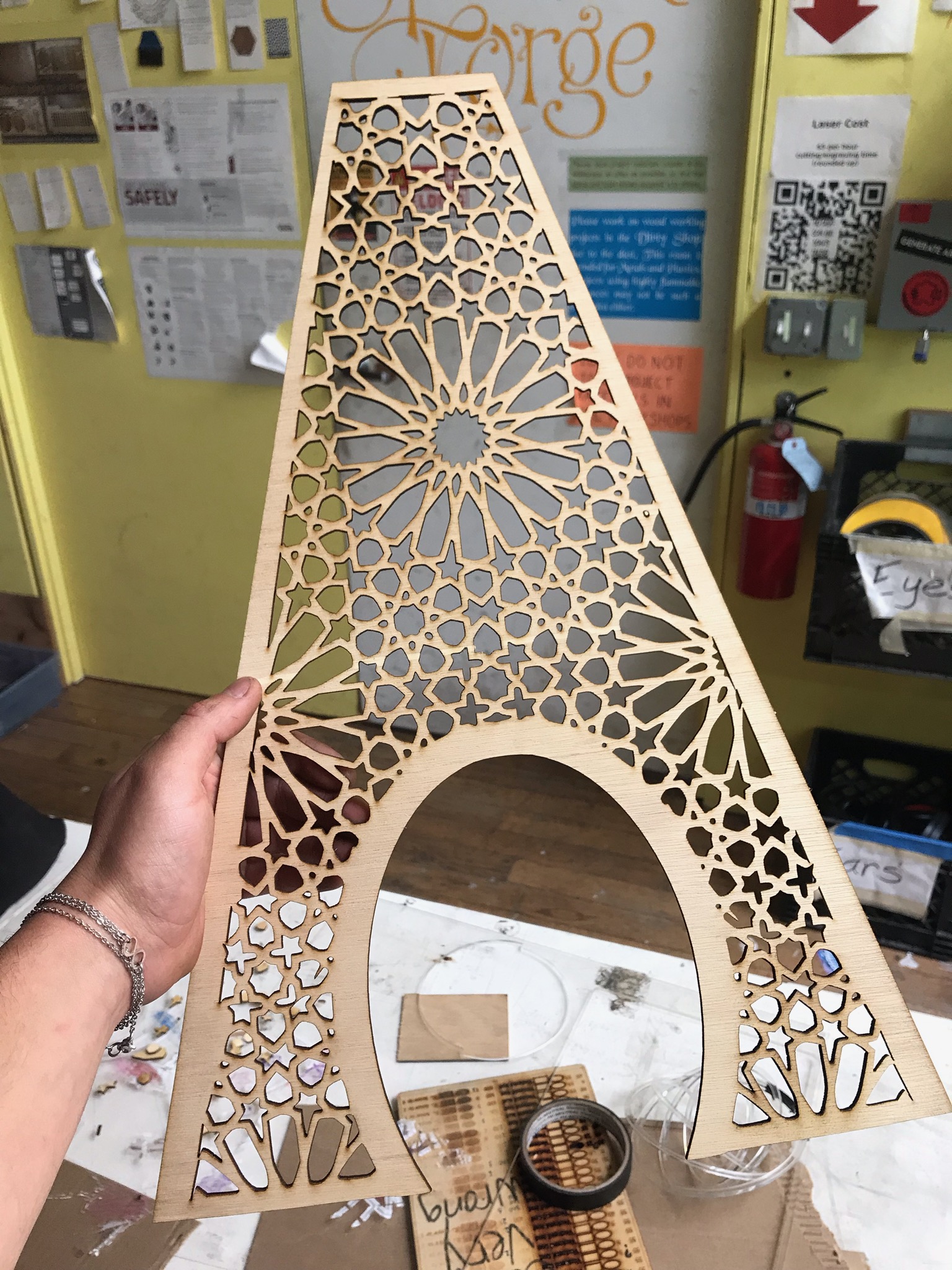 Out of this “blank canvas”, free of normal constraints, we can build our own vibrancy, in the most deeply authentic way possible, with the work of our own hands. This freedom invites us to explore our innermost motivations, to ask ourselves “what would we do?” out in the dust, for one idyllic week, if for no other reason, than to build for the pure joy of gifting an experience to others. Yet, once back from this moment in the desert, the more fundamental question is, “What if even a small part of this sense of gifting came back with us from the Playa?” ….. what a delightful and humane world we might start to create.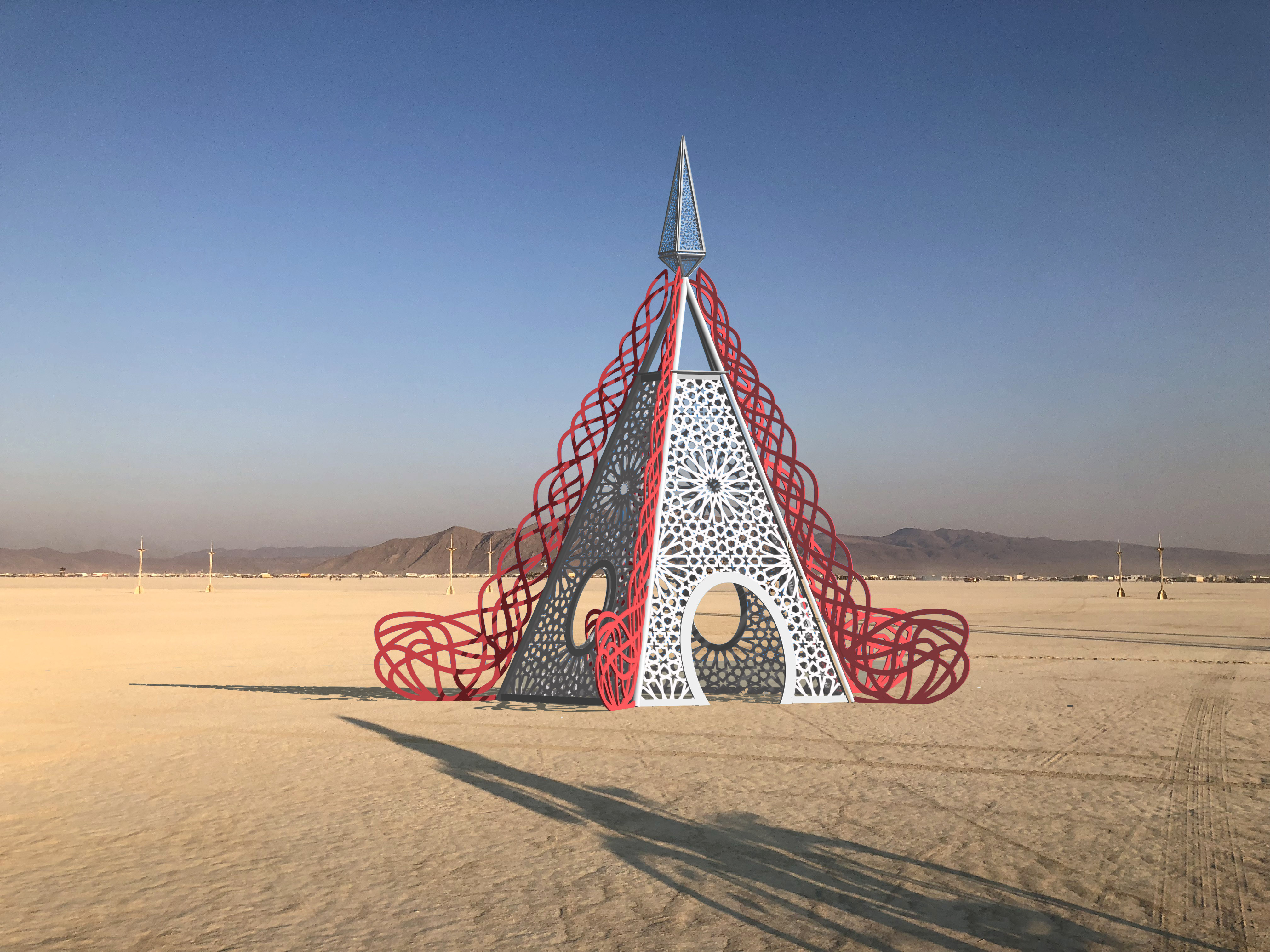


 Reflections on Shared Purpose